The challenge.
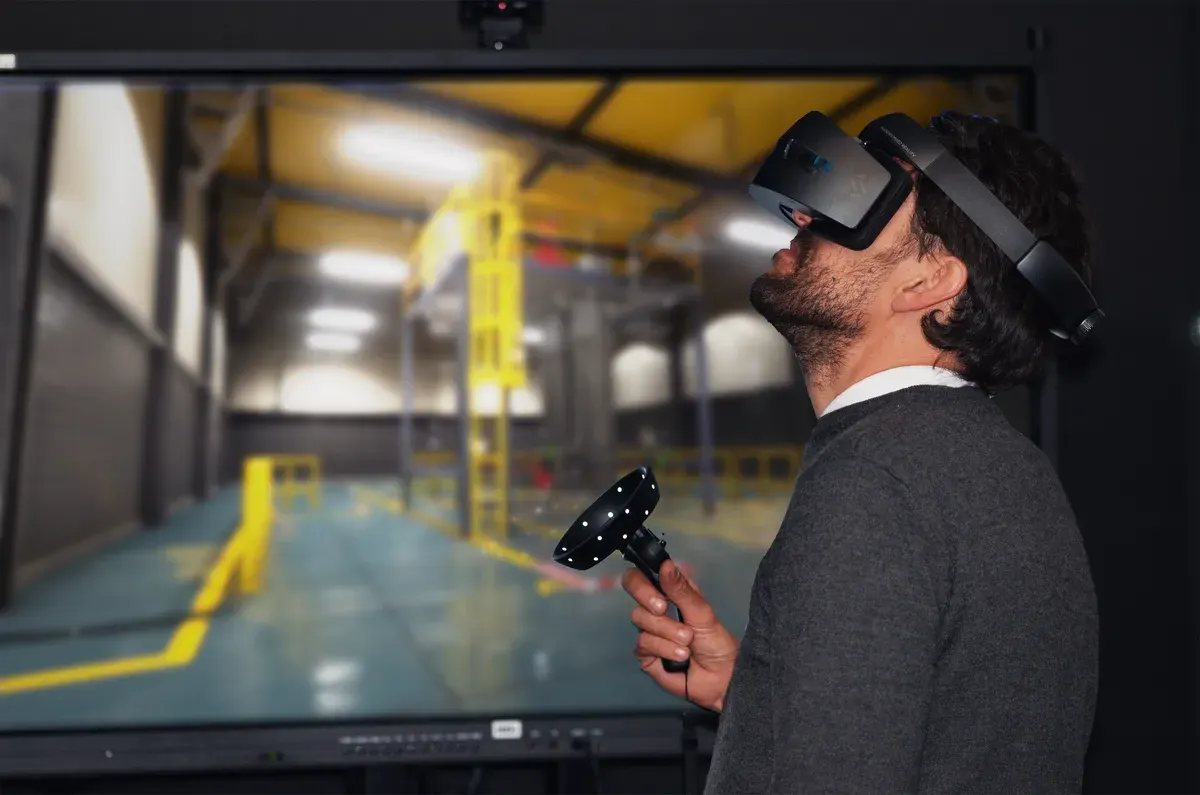
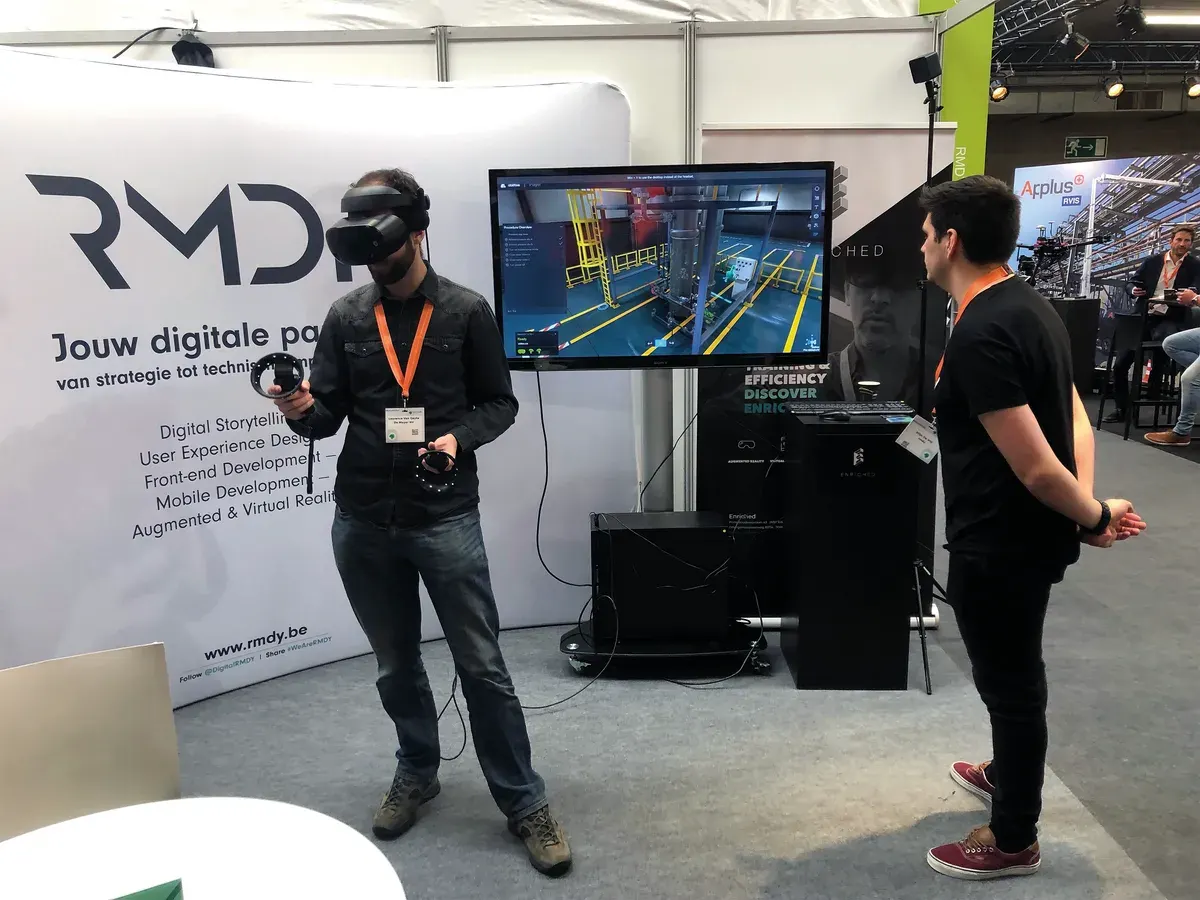
Training for complex or high-risk procedures can be expensive, time-consuming and difficult to organise. Qualified experts are not always available, and locations such as wind turbines are hard to access. Virtual environments offer an alternative, but people familiar with physical training or 2D learning tools need an intuitive way to create and navigate a technically complex 3D experience.
The key decision.
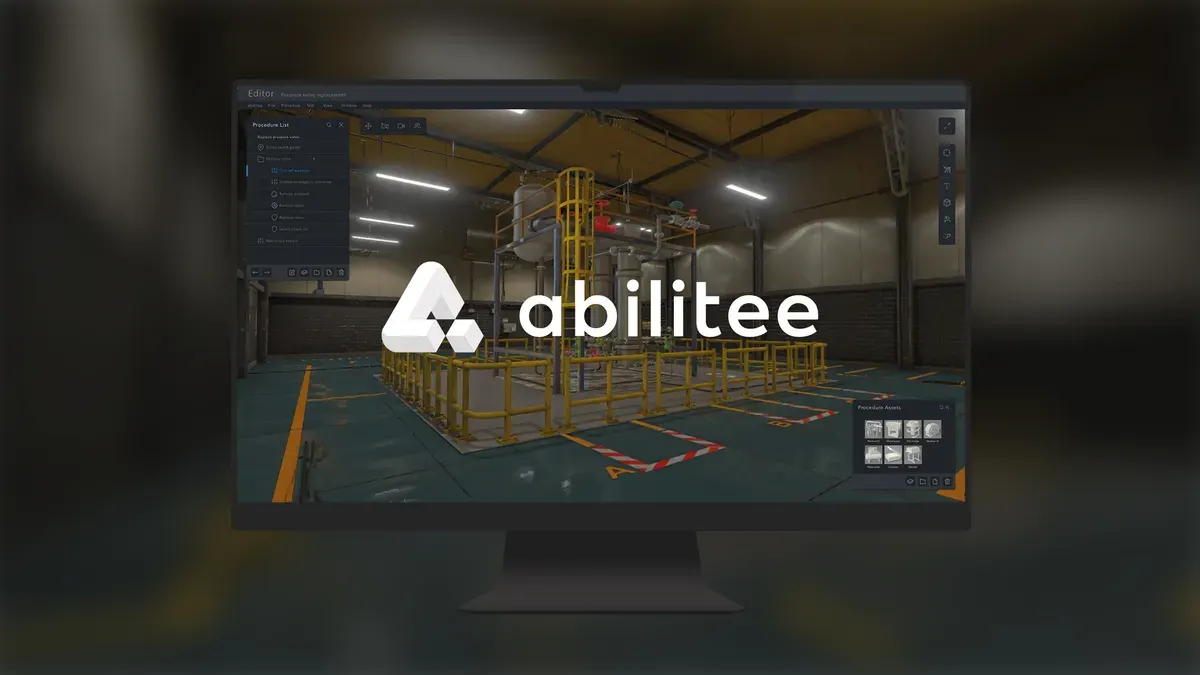
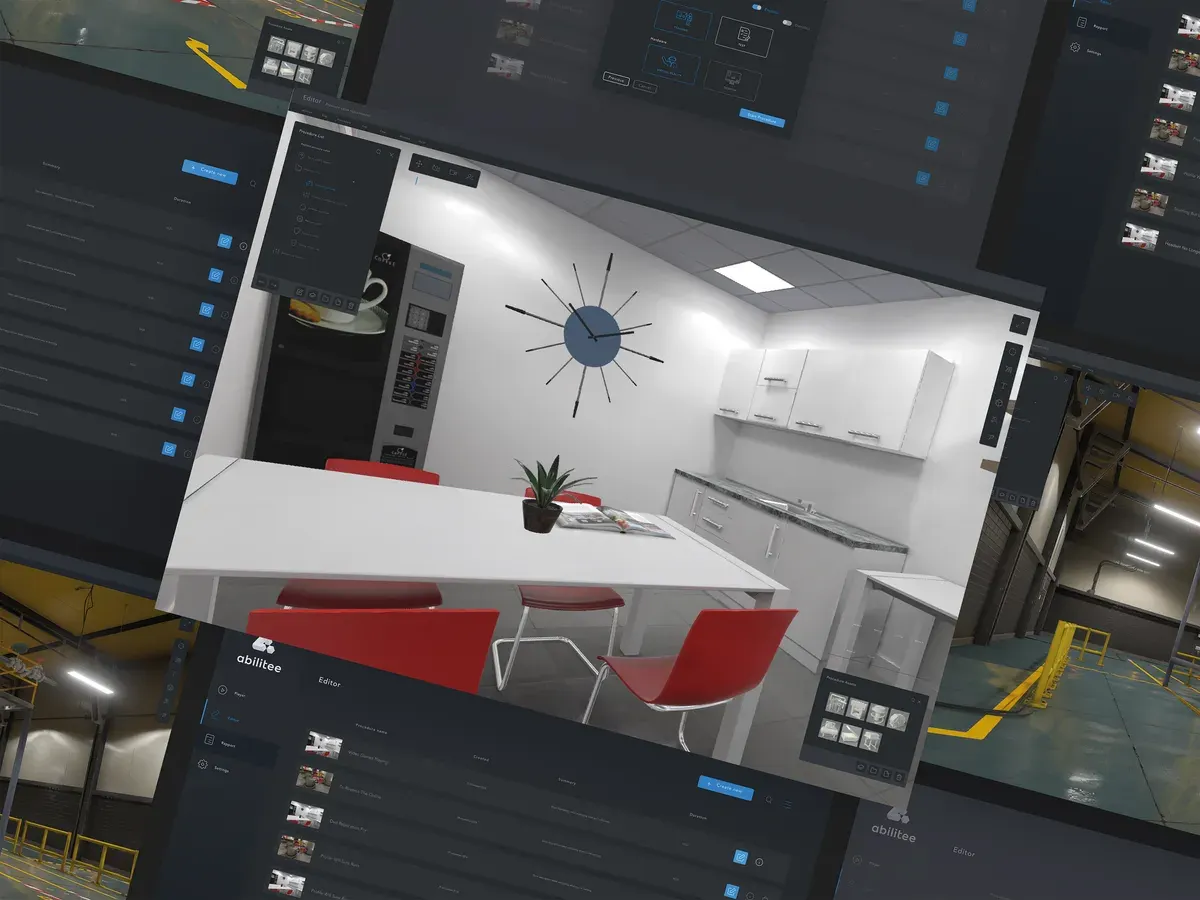
We organised the platform around two components, the Editor and the Player, supported by a shared library of 3D assets. Instructors could configure training, then guide and evaluate trainees in a virtual environment. Repeated design iterations and internal and client testing helped simplify the concept and interface.
The rejected option & why.
Continuing to build and maintain highly customised 3D environments proved unsustainable. The manual work required outweighed what the client could maintain, leading to a shift in focus toward more scalable, web-based learning solutions.
The outcome.
The concept and interface were refined through internal and client testing. The application was ultimately discontinued in production because creating and maintaining customised 3D environments required too much manual work.
The final verdict.
Abilitee showed both the potential of immersive training and its operational limits. A simpler interface could make a complex product more approachable, but it could not remove the effort of producing and maintaining bespoke environments. The lesson was to align innovation and usability with a delivery model the client could sustain.